No More AI Guesswork: RAG is the Game-Changer

Harshi Shah
Author
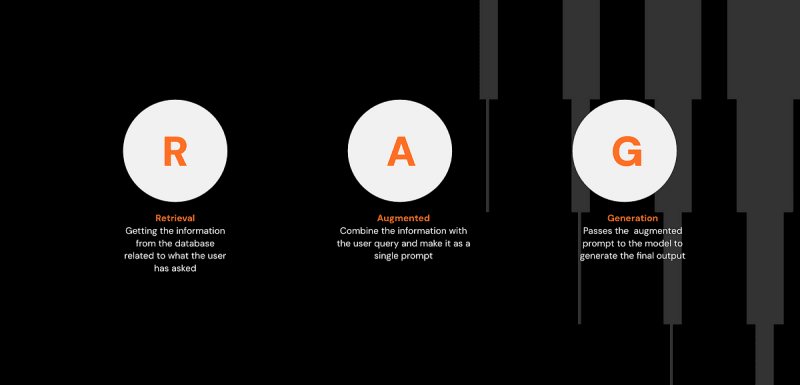
Artificial Intelligence has transformed the way we interact with information, and one of the most groundbreaking advancements in recent years is Retrieval-Augmented Generation (RAG). This innovative technique enhances the ability of AI models to generate accurate, context-aware, and up-to-date responses. But what exactly is RAG, and why is it so important?
What is Retrieval-Augmented Generation (RAG)?
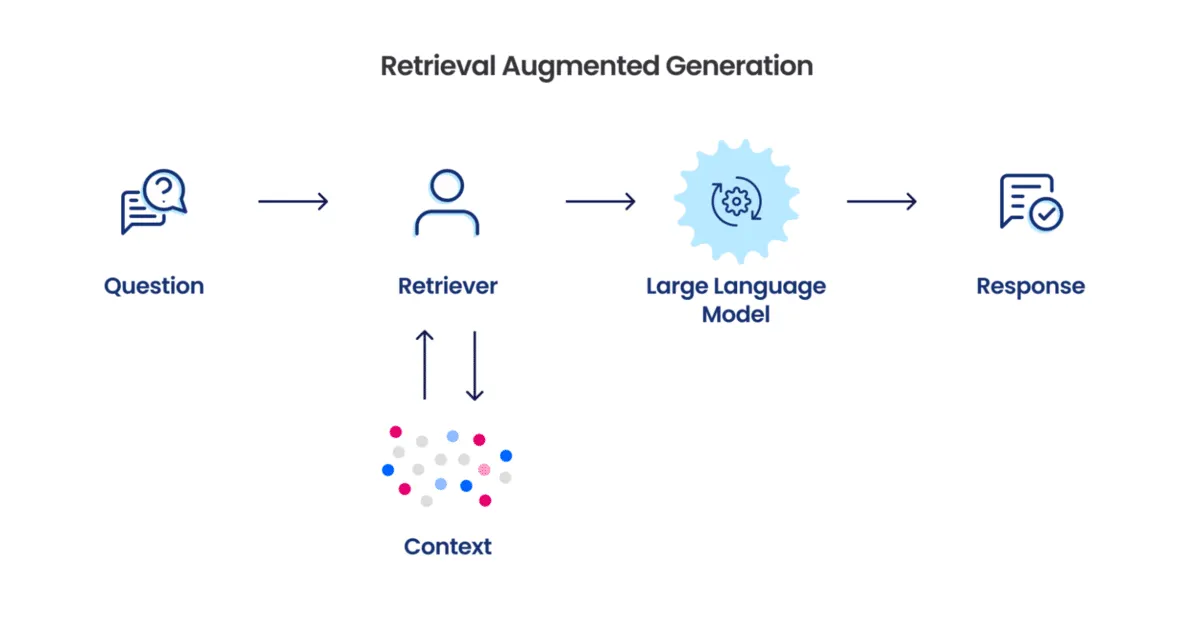
RAG is a hybrid AI model that combines the power of retrieval-based and generative AI approaches. Traditional AI models rely solely on pre-trained knowledge, which can become outdated. RAG, on the other hand, dynamically fetches relevant data from external sources before generating a response. This makes the output more accurate, relevant, and factually grounded.
RAG models typically consist of two core components:
Retriever – Finds the most relevant documents or pieces of information from a large dataset.
Generator – Uses the retrieved content to generate a coherent and meaningful response.
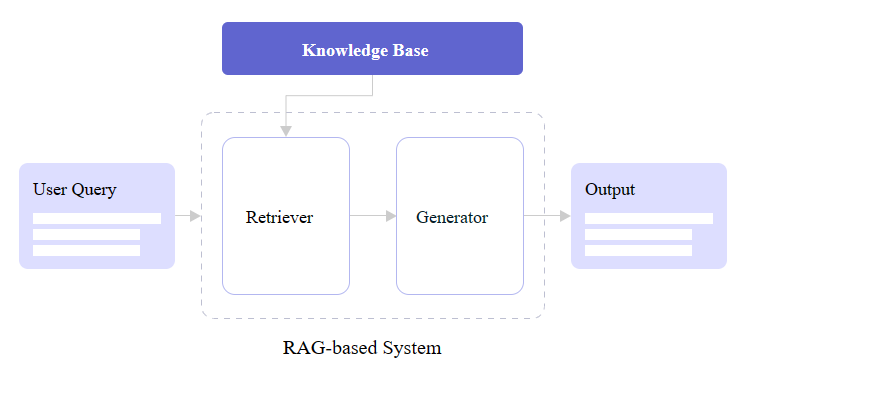
By integrating both retrieval and generation, RAG models outperform standard language models in providing context-rich and evidence-backed responses.
Why is RAG Important?
Enhanced Accuracy: Since RAG models pull data from external sources, they minimize misinformation and provide more precise answers.
Up-to-Date Information: Unlike static language models, RAG can retrieve the latest knowledge from dynamically updated databases.
Domain-Specific Knowledge: Businesses can customize RAG models to access proprietary knowledge bases, improving responses for specialized fields like healthcare, finance, and legal services.
Better Handling of Long Queries: By retrieving relevant documents, RAG improves AI’s ability to answer complex, multi-faceted questions.
Applications of RAG
Chatbots & Virtual Assistants – Providing more reliable and context-aware responses.
Customer Support – Fetching accurate product information from company knowledge bases.
Healthcare & Research – Assisting doctors and researchers with updated medical literature.
Finance & Legal Services – Offering data-driven insights based on regulatory updates and policies.
Challenges & Future Prospects
While RAG has tremendous potential, it still faces challenges:
Latency Issues: Retrieving external documents before generating a response can slow down AI models.
Data Quality: The accuracy of RAG’s output depends on the reliability of the retrieved documents.
Scalability: Managing large-scale retrieval efficiently remains a challenge for real-time applications.
Despite these challenges, continuous advancements in machine learning, vector search, and knowledge retrieval will make RAG even more powerful and efficient in the coming years.
Conclusion
Retrieval-Augmented Generation represents a significant leap in AI technology, addressing the limitations of traditional generative models. By integrating external knowledge sources, RAG enables AI to provide more accurate, contextual, and up-to-date responses, making it a game-changer in multiple industries. As AI continues to evolve, RAG will play a crucial role in shaping the future of intelligent and knowledge-driven systems.